



Topical minoxidil and pet safety: Important guidance for cat and dog owners
30th December 2025
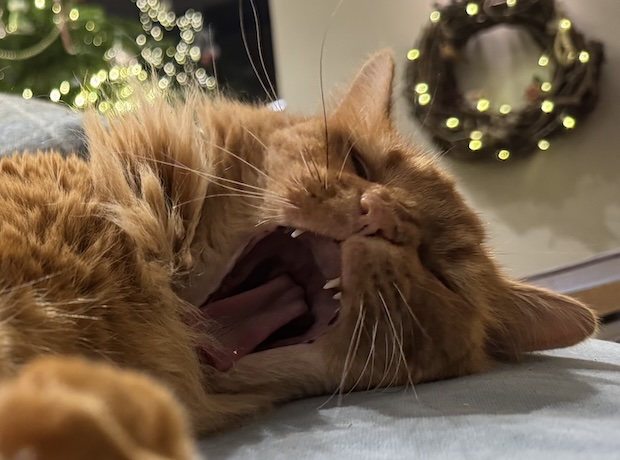
Topical minoxidil has long been an effective and widely used treatment for androgenetic alopecia. Many of our patients at The Maitland Clinic are prescribed either standard topical minoxidil or a compounded combination of topical minoxidil with finasteride and/or tretinoin as part of their personalised hair restoration plan.
While topical minoxidil is safe for human use when applied as directed, recent veterinary reports and reviews have highlighted an important issue that pet owners need to be aware of: even very small amounts of topical minoxidil can be dangerous or fatal to cats and dogs.
This blog summarises the latest understanding of minoxidil toxicity in animals, explains how accidental exposure can occur, and provides practical advice to help keep your pets safe.
Why can topical minoxidil be dangerous to animals?
Cats and dogs absorb minoxidil very efficiently through the mouth and gastrointestinal tract. Even tiny quantities can cause a rapid fall in blood pressure, tachycardia, fluid accumulation (particularly pulmonary oedema), and potentially life-threatening cardiovascular complications.
Reported exposures in pets include:
- Licking a person’s freshly treated scalp, beard, or hands
- Licking human bedding or pillows contaminated with residual topical minoxidil
- Contact with spilled solution or an open bottle
- Licking clothing or furniture with dried minoxidil residue
Cats are particularly vulnerable, as they groom frequently and have a low tolerance for minoxidil exposure.
What does the research say?
For many years, the risk that topical minoxidil poses to pets was thought to be rare, based largely on isolated veterinary case reports. However, a growing body of evidence now shows that accidental minoxidil exposure in cats and dogs is more common, and more dangerous, than previously recognised.
Early case reports highlighted the severity of toxicity even with small exposures.
- DeClementi, C et al. (2004) reported suspected toxicosis after topical administration of minoxidil in 2 cats.
- Joong-Hyun Song (2022) reported successful management of suspected minoxidil toxicosis in a cat following accidental exposure.
- Tater KC et al. (2021) published a report of 211 cases of topical minoxidil exposures and toxicoses in dogs and cats.
- Eric McMullen et al. (2025) published a review of minoxidil toxicosis in cats and dogs, including a call to action.
These publications conclude that:
- Both cats and dogs developed toxicity from very small doses, including from grooming contaminated fur or fabrics.
- Cats were more likely to experience severe clinical signs.
- Many exposures occurred in typical home environments where minoxidil was used as a daily hair-loss treatment.
- Several cases resulted in fatal outcomes.
- Even minimal exposure (including licking dried residue from pillows, bedding, hands, or hair) can cause severe illness or death.
- Recognition of minoxidil toxicosis among veterinarians is increasing as more cases are identified.
- There is no established safe exposure threshold for topical minoxidil in pets.
- Greater education is urgently needed for clinicians and pet-owning patients.
Key message
Pet owners must take great care to prevent any contact between cats or dogs and topical minoxidil. Even tiny exposures can be dangerous.
How to keep your pets safe
If you use topical minoxidil (with or without finasteride), we strongly advise the following:
1. Prevent pets from licking treated areas
After application of topical minoxidil, make sure cats or dogs cannot lick:
- your scalp or face
- your hands
- your beard (if applied there)
2. Avoid fabric contamination
Residue can transfer to:
- pillowcases
- bedding
- sofas or cushions
- hats and clothing
Keep pets away from any fabrics that might have come into contact with recently treated areas.
3. Wash hands thoroughly after applying the product
4. Store the bottle safely and clean spills immediately
5. Contact a vet urgently if you suspect exposure
Symptoms in pets may include lethargy, breathing difficulties, collapse, coughing, or vomiting.
If keeping pets away is difficult
For households where close contact with pets is unavoidable, particularly cats who sleep on pillows or sit near their owners, we can discuss alternative hair loss treatments.
Options include:
- Low-dose oral minoxidil (does not pose the same contact exposure risk)
- Topical formulations without minoxidil
- Other evidence-based non-minoxidil therapies
Please contact The Maitland Clinic if you would like personalised advice or to discuss switching treatment.
If you have any questions or are unsure how to manage your treatment safely, please get in touch with our team.
References
- DeClementi, C., Bailey, K.L., Goldstein, S.C. and Orser, M.S. (2004), Suspected toxicosis after topical administration of minoxidil in 2 cats. Journal of Veterinary Emergency and Critical Care, 14: 287-292. https://doi.org/10.1111/j.1476-4431.2004.04014.x
- Song JH, Kim SY, Moon JH, Jung DI (2022): Successful management of suspected minoxidil toxicosis in a cat following accidental dermal exposure. Vet Med-Czech 67, 323–329.
- Tater KC, Gwaltney-Brant S, Wismer T. Topical Minoxidil Exposures and Toxicoses in Dogs and Cats: 211 Cases (2001-2019). J Am Anim Hosp Assoc. 2021 Sep 1;57(5):225-231. https://pubmed.ncbi.nlm.nih.gov/34370845/
- McMullen E, Xiong G, Rayner DG, Brathwaite S, Metko D, Mehta S, Gupta S, Walker-Genovese MV, Rayner SW, Witelus I, Dumont S, Mukovozov I, Sibbald C, Donovan J. Minoxidil toxicosis in cats and dogs: A scoping review and call to action. J Am Acad Dermatol. 2025 Aug;93(2):522-524. doi: 10.1016/j.jaad.2025.04.006. Epub 2025 Apr 4. PMID: 40189148.